
Why Some Dogs Resist Wearing a Harness
If your dog freezes, wriggles, or runs from their harness, you're not alone. Many dogs find putting on a harness stressful. This is true for new dogs or those with past negative experiences. With patience and positive reinforcement, almost any dog can learn to love their harness.
This guide helps introduce a harness. It builds confidence. The experience stays positive from the very first moment.
What You'll Need
- A well-fitted harness (see our guide on choosing the right harness)
- High-value treats your dog loves
- Patience and short training sessions (5-10 minutes max)
- A calm, distraction-free environment to start
Step-by-Step: Introducing the Harness
Step 1: Let Your Dog Investigate the Harness
Before you even attempt to put the harness on, let your dog sniff and explore it at their own pace. Place the harness on the floor and allow them to approach it freely. Reward any interaction — sniffing, nudging, or even just looking at it — with a treat and calm praise.
Repeat this for a few sessions until your dog shows no signs of anxiety around the harness. This might take one session or several days, depending on your dog.
Step 2: Associate the Harness with Good Things
Hold the harness near your dog and feed them treats through the neck opening. The goal is for your dog to start associating the harness with something they love. You can also place treats on or near the harness to encourage positive interactions.
Never force your dog to interact with the harness. Let them set the pace.
Step 3: Touch the Harness to Your Dog's Body
Gently touch the harness to your dog's back, sides, and chest. Do not attempt to put it on. Reward calm behavior with treats. If your dog shows stress, slow down. Return to the previous step. Signs of stress include yawning, lip licking, or turning away.
Step 4: Slip the Harness Over the Head
For step-in harnesses, skip to Step 5. For over-the-head styles, hold a treat. Place it on the other side of the neck opening. Encourage your dog to put their head through. They will get the treat. Keep the harness loose. Don't fasten it yet. Reward the head-through movement.
Repeat until your dog willingly puts their head through the harness opening.
Step 5: Fasten the Clips to put on dog harness
Once your dog is comfortable with the harness resting on their body, gently fasten the clips or buckles. Keep the session short — fasten, treat, praise, then immediately remove the harness. Gradually increase the time the harness stays on before removing it.
Step 6: Let Them Wear It Around the House
Once your dog is comfortable with the harness being fastened, let them wear it for short periods indoors. Distract them with play or a chew toy so they forget they're wearing it. This helps them get used to the sensation of the harness without the added excitement of being outside.
Step 7: Attach the Lead and Head Outside
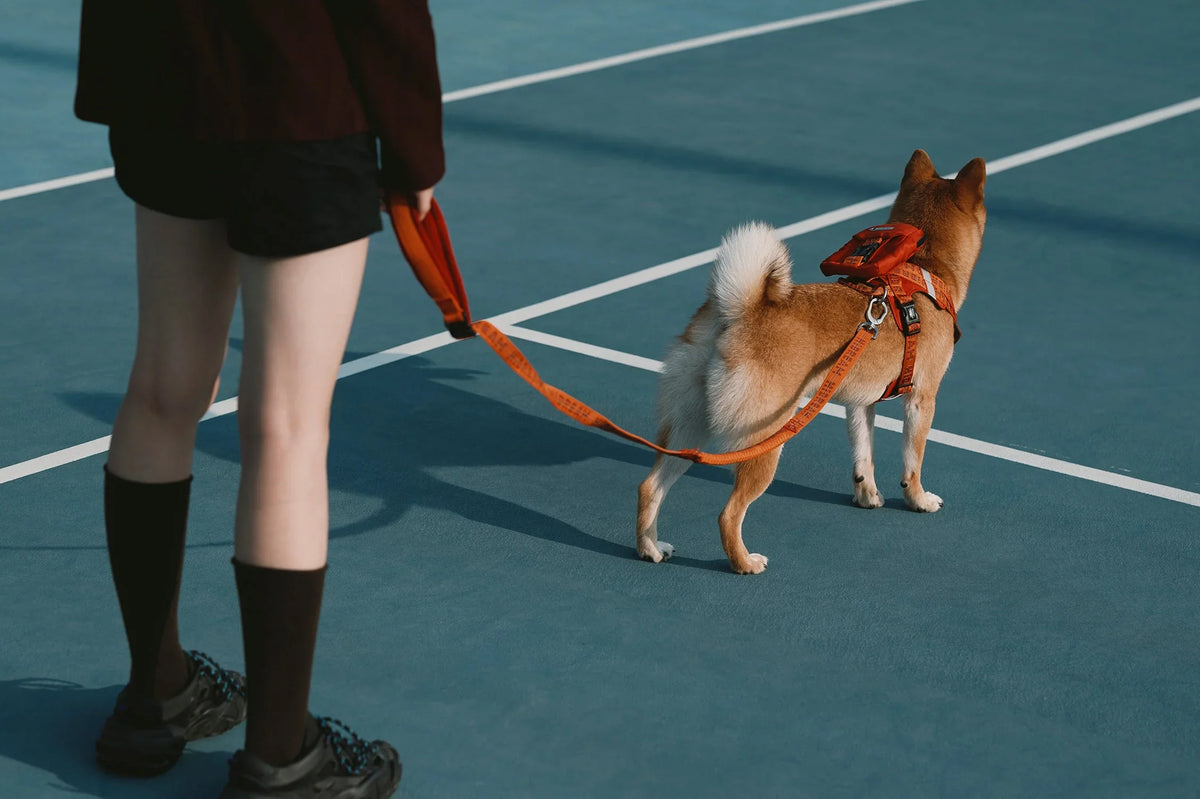
Once your dog is relaxed wearing the harness indoors, attach the lead and head out for a short walk. Keep the first few outings brief and positive. Reward calm, relaxed walking with treats and praise.
Tips for Anxious or Stubborn Dogs
- Go at your dog's pace: Never rush the process. Some dogs take days, others take weeks. That's completely normal.
- Use high-value treats: Save the really good stuff — chicken, cheese, or their favourite commercial treat — specifically for harness training sessions.
- Keep sessions short: 5-10 minutes is plenty. End on a positive note before your dog gets frustrated or bored.
- Stay calm yourself: Dogs pick up on our emotions. If you're tense or frustrated, your dog will be too. Take a breath and keep the energy light and positive.
- Try a different harness style: If your dog consistently struggles with one type of harness, a different style (e.g., step-in vs. over-the-head) might be easier for them to accept.
Common Mistakes to Avoid
- Forcing the harness on: This creates negative associations and can set your training back significantly.
- Moving too fast: Skipping steps because your dog seems fine often leads to problems later. Take it slow.
- Only bringing out the harness before walks: If the harness only appears when something exciting (or stressful) is about to happen, your dog may become anxious at the sight of it. Occasionally bring it out at neutral times too.
- Using a poorly fitted harness: A harness that's too tight, too loose, or rubs in the wrong places will make your dog uncomfortable and resistant. Always check the fit.
The Right Harness Makes All the Difference
A comfortable, well-fitted harness is key to successful training. HiDREAM's adjustable harnesses use soft materials. They have multiple adjustment points. This ensures a comfortable fit for all dog shapes and sizes.
If your dog is new to harnesses, starting with a lightweight, easy-to-adjust option can make the introduction process much smoother. Browse our harness range:
- Valley Series Dog Harness Walk Kit — adjustable and durable for active dogs
- Valley Series Dog Harness Vest Kit — full vest coverage for extra comfort during training
- Colourful Series 'Y' Dog Harness Bundle — lightweight and easy to put on, ideal for beginners
- Rainbow Series 'Y' Dog Harness Bundle — fun colours to make walks something to look forward to