

Why the Right Dog Harness Makes All the Difference
If you've ever struggled with a dog that pulls on the lead, slips out of their collar, or gets anxious on walks, you already know how important the right harness can be. A well-fitted harness gives you better control, keeps your dog comfortable, and can even improve their behaviour over time.
But with so many options on the market — no-pull, reflective, step-in, vest-style — how do you know which one is right for your dog? This guide breaks it all down so you can make a confident choice.
Types of Dog Harnesses Explained
1. No-Pull Harnesses
No-pull harnesses are designed with a front clip on the chest. When your dog lunges forward, the leash redirects them back toward you — gently discouraging pulling without causing discomfort. These are ideal for:
- Dogs that are still learning leash manners
- Strong breeds that overpower their owners
- Puppies being introduced to walking on a lead
Look for a front-clip harness with padded chest and belly straps to prevent chafing during longer walks.
2. Reflective Harnesses
Australia's outdoor lifestyle means many dog owners walk their pets early in the morning or after sunset. Reflective harnesses feature high-visibility strips that catch headlights and streetlights, keeping your dog visible to drivers and cyclists.
This is especially important in suburban and semi-rural areas where footpaths may be poorly lit. A reflective harness is a simple, affordable safety upgrade for any dog.
3. Adjustable Harnesses
Every dog is shaped differently — even within the same breed. An adjustable harness lets you customise the fit across the chest, neck, and belly, ensuring a snug but comfortable fit that won't slip off or restrict movement.
Adjustable harnesses are particularly useful for:
- Growing puppies whose size changes quickly
- Dogs with deep chests or narrow waists (like Greyhounds or Whippets)
- Multi-dog households where one harness may be shared between similar-sized dogs
How to Choose the Right Harness for Your Dog
Before you buy, consider these key factors:
Size and Breed
Always measure your dog's girth (the widest part of their chest, just behind the front legs) and neck circumference before purchasing. Most harness brands, including HiDREAM, provide sizing guides to help you find the right fit.
Activity Level
A casual neighbourhood walker has different needs to a dog that goes on weekend hikes. For active dogs, look for durable materials, secure buckles, and a handle on the back for extra control on rough terrain.
Coat Type
Dogs with thick or long coats may need a harness with smooth inner lining to prevent matting and tangling. Short-coated dogs may benefit from extra padding to avoid skin irritation.
Escape Risk
Some dogs — especially anxious or reactive ones — are skilled escape artists. If your dog has a history of slipping out of gear, look for a harness with multiple adjustment points and a secure double-buckle design.
Spotlight: HiDREAM's Harness Collections
The Valley Series
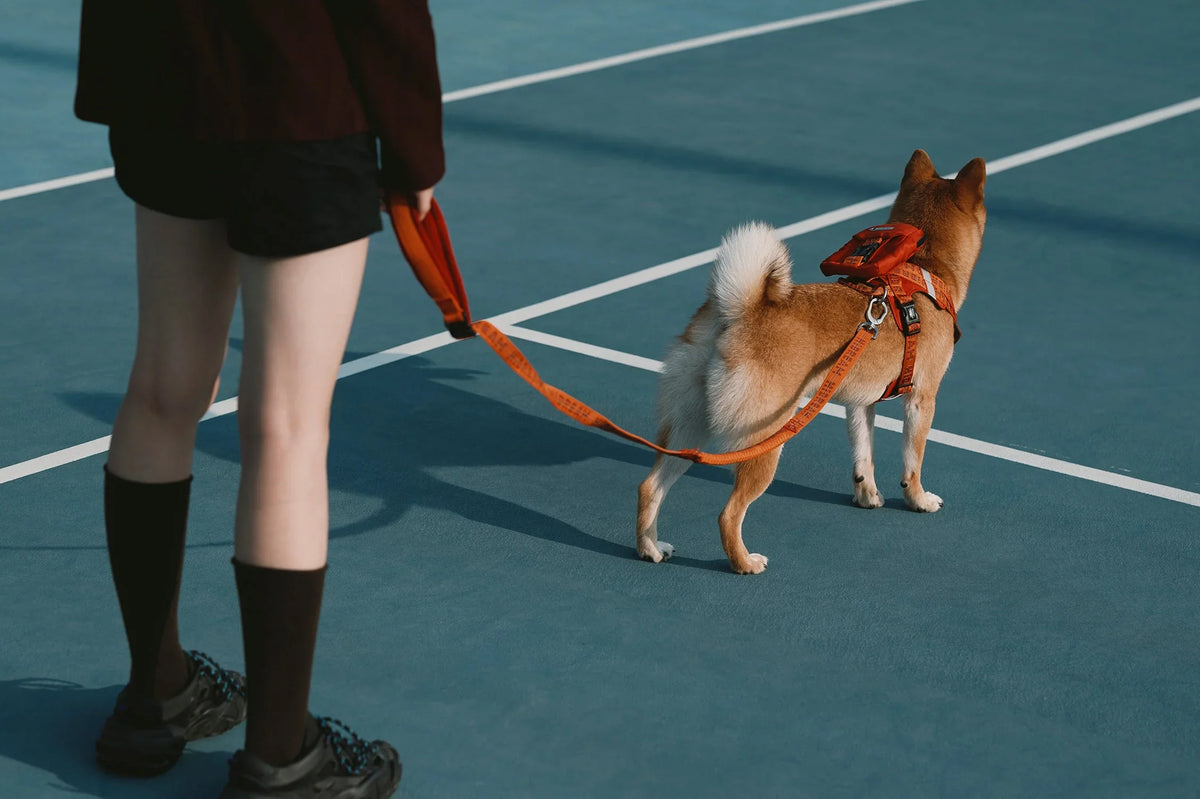
The HiDREAM Valley Series is built for dogs that love adventure. Designed with durability and function in mind, the Valley Series features adjustable straps, a sturdy back clip, and breathable materials that keep your dog comfortable on longer outings. Whether you're heading to the dog park or exploring a national park trail, the Valley Series is up to the task.
- Valley Series Dog Harness Walk Kit — perfect for active daily walks
- Valley Series Dog Harness Vest Kit — full vest coverage for extra comfort and security
- Valley Series Cat Vest Harness Kit — also available for adventurous cats
The Colorful Series
For dog owners who want style without sacrificing comfort, the HiDREAM Colorful Series delivers. Available in a range of vibrant colours, these harnesses are lightweight, easy to put on, and fully adjustable for a custom fit. The Colorful Series is perfect for everyday walks and is a favourite among small to medium breed owners across Australia.
- Colourful Series 'Y' Dog Harness Bundle — vibrant colours, lightweight and adjustable
- Rainbow Series 'Y' Dog Harness Bundle — bold rainbow design for dogs that love to stand out
Harness Fitting Tips: Getting It Right
Even the best harness won't perform well if it doesn't fit correctly. Here's how to check the fit:
- The two-finger rule: You should be able to slide two fingers under any strap. If you can't, it's too tight. If you can fit more than two fingers, it's too loose.
- Check for chafing spots: After the first few walks, inspect your dog's skin under the harness straps — particularly under the armpits — for any redness or irritation.
- Watch for slipping: If the harness shifts to one side during walks, the straps need readjusting for a more even fit.
Harness vs. Collar: Which Is Better?
Collars are fine for carrying ID tags, but for walking — especially with dogs that pull — a harness is almost always the safer choice. Collars put pressure on the neck and trachea, which can cause long-term damage in dogs that pull frequently. A harness distributes pressure across the chest and shoulders, making it far more comfortable and safer for daily use.
Final Thoughts
Choosing the right dog harness comes down to your dog's size, temperament, and lifestyle. Whether you need a no-pull design for a boisterous Labrador, a reflective harness for early morning walks, or a colourful adjustable option for your stylish Cavoodle — there's a perfect harness out there for every dog.
Explore HiDREAM's full range of harnesses, including the Valley Series and Colorful Series, to find the ideal fit for your furry companion. Built with Australian pet owners in mind, our harnesses combine quality, comfort, and style for dogs of all shapes and sizes.